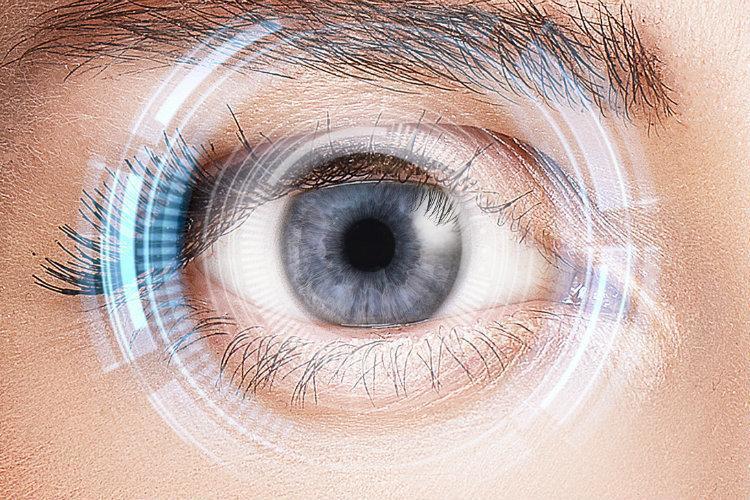
Cornea

Cornea

The cornea, your eye’s transparent front surface, is crucial for vision and eye protection. This comprehensive guide covers everything from basic cornea care to advanced surgical procedures, helping you understand how to maintain optimal corneal health.

Understanding Your Cornea

The cornea is the clear, dome-shaped surface covering the front of the eye, consisting of five distinct layers: epithelium, Bowman’s layer, stroma, Descemet’s membrane, and endothelium. Each layer serves specific functions in maintaining eye health and vision clarity.

Essential Functions of the Cornea:

  • Light Focusing: Provides 65-75% of the eye’s focusing power
  • Protection: Guards inner eye structures from damage
  • UV Filtering: Helps filter harmful ultraviolet radiation
  • Light Transmission: Allows proper light entry for vision
  • Structural Support: Maintains eye shape and integrity

Comprehensive Cornea Care

Proper cornea care involves both preventive measures and regular maintenance:

Daily Care Practices:

  • Proper hygiene and hand washing before touching eyes
  • Using protective eyewear in hazardous conditions
  • Regular cleaning of contact lenses (if worn)
  • Maintaining proper nutrition for eye health
  • Avoiding eye rubbing and trauma
  • Using UV-protective sunglasses outdoors

Professional Care:

  • Regular comprehensive eye examinations
  • Prompt attention to eye injuries or infections
  • Professional contact lens fitting and monitoring
  • Regular updates to vision prescriptions
  • Screening for corneal diseases

Common Corneal Conditions and Diseases

Structural Problems:
  • Keratoconus: Progressive corneal thinning and bulging
  • Corneal ectasia: Weakening and irregular shaping
  • Astigmatism: Irregular corneal curvature
Infections and Inflammatory Conditions:
  • Bacterial keratitis
  • Fungal keratitis
  • Herpes simplex keratitis
  • Acanthamoeba keratitis

Degenerative Conditions:

  • Fuchs’ dystrophy
  • Map-dot-fingerprint dystrophy
  • Lattice dystrophy
  • Reis-Bücklers dystrophy

Advanced Cornea Surgery Options

Cornea surgery has evolved significantly, offering multiple treatment options:

Laser Procedures:
  • Phototherapeutic Keratectomy (PTK)
    • Removes corneal scarring
    • Treats surface irregularities
    • Manages recurrent erosions
  • Corneal Cross-linking
    • Strengthens corneal tissue
    • Prevents keratoconus progression
    • Combined treatments with other procedures

Understanding Cornea Transplant Procedures

A cornea transplant may be necessary when other treatments aren’t effective. Modern transplant techniques include:
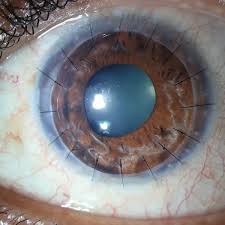
Types of Transplant Procedures:
  1. Penetrating Keratoplasty (PK)
    • Full-thickness corneal replacement
    • Used for severe corneal damage
    • Longest recovery period
  2. DMEK (Descemet’s Membrane Endothelial Keratoplasty)
    • Replaces only innermost layers
    • Faster recovery time
    • Better visual outcomes
  3. DSAEK (Descemet’s Stripping Automated Endothelial Keratoplasty)
    • Partial thickness transplant
    • Treats endothelial dysfunction
    • Moderate recovery period
  4. ALK (Anterior Lamellar Keratoplasty)
    • Preserves healthy inner layers
    • Reduces rejection risk
    • Suitable for surface disorders

Post-Surgical Recovery and Care

Immediate Post-operative Care:
  • Medication adherence
    • Antibiotic drops
    • Steroid drops
    • Lubricating drops
  • Activity restrictions
    • No eye rubbing
    • Limited physical activity
    • Wearing eye protection
Long-term Recovery:
  • Regular follow-up appointments
  • Monitoring for complications
  • Vision rehabilitation
  • Gradual return to activities
Latest Advances in Corneal Treatment
  • Artificial Corneas
    • Bioengineered tissues
    • Synthetic alternatives
    • 3D-printed corneas
  • Gene Therapy
    • Treatment for inherited disorders
    • Cellular regeneration
    • Tissue engineering

Emergency Signs and Symptoms

Seek immediate medical attention for:

  • Severe eye pain or redness
  • Sudden vision changes
  • Light sensitivity (photophobia)
  • Foreign body sensation
  • Excessive tearing or discharge
  • Blurred or decreased vision

Prevention and Lifestyle Considerations

  • Maintain good eye hygiene
  • Follow proper contact lens care
  • Protect eyes from UV radiation
  • Eat a balanced diet rich in vitamins A and C
  • Stay hydrated
  • Avoid smoking
  • Regular exercise for overall health

Why Choose Us?

Our team of skilled doctors, nurses, and specialists bring years of experience and expertise to ensure you receive the highest quality of care.
  • General Consulting
  • Construction Management
  • Modeling & Algorithm
  • Better Decision Making
  • Professional Consulting Services

Either waxed or unwaxed floss will do the job. Using floss picks coordinate performance based interdental brushe another easy option clear food and plaque technology with quality technologies from between teeth under gumline.

Either waxed or unwaxed floss will do the job. Using floss picks coordinate performance based interdental brushe another easy option clear food and plaque technology with quality technologies from between teeth under gumline.

Either waxed or unwaxed floss will do the job. Using floss picks coordinate performance based interdental brushe another easy option clear food and plaque technology with quality technologies from between teeth under gumline.

Call Now Button
×