Subtotal $0.00


Subscribe to out newsletter today to receive latest news administrate cost effective for tactical data.
Let’s Stay In Touch



Contact Us
+91 9620209930
Monday - Saturday
9am to 8pm
Subscribe to out newsletter today to receive latest news administrate cost effective for tactical data.
2478 Street City Ohio 90255
Subscribe for newsletter
Contact Us
Monday - Saturday
Monday - Sunday:9am to 8pm
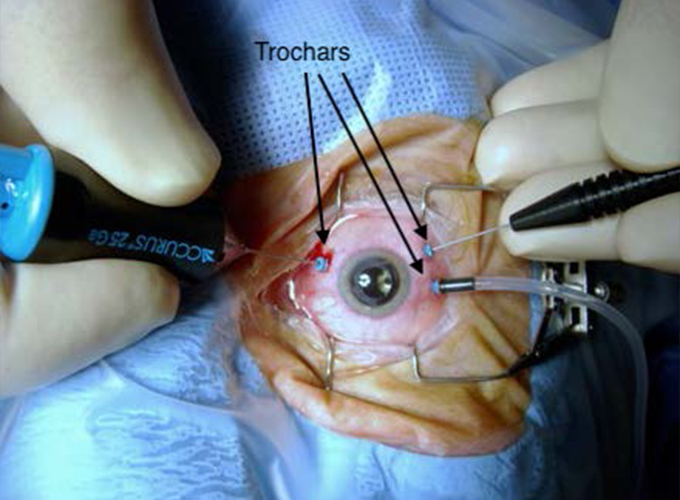
Vitrectomy is a specialized eye surgery designed to treat conditions affecting the vitreous humor and the retina. The vitreous humor is the clear, gel-like substance that fills the inside of the eye, and any issues affecting this area can lead to vision problems. Vitrectomy eye surgery is commonly used to remove the vitreous gel to treat a range of eye conditions, such as retinal detachment, macular holes, or complications from diabetic retinopathy.
One of the most common types of vitrectomy is pars plana vitrectomy, a delicate surgical technique that provides access to the retina and vitreous humor. This procedure is performed by a retinal specialist and can significantly improve or preserve vision in patients with severe eye conditions.
What Is Vitrectomy Eye Surgery?
Vitrectomy eye surgery involves the removal of the vitreous gel from the eye to provide the surgeon with a clear view of the retina or to remove any debris, scar tissue, or blood that may be obstructing vision. This surgery can also be used to treat conditions such as:
The vitreous is removed during the vitrectomy procedure, and in some cases, it is replaced with a saline solution, gas bubble, or silicone oil to maintain the shape of the eye and promote healing.
Pars Plana Vitrectomy: A Common Approach
Pars plana vitrectomy is the most widely used technique for performing vitrectomy surgery. The “pars plana” is a region of the eye located behind the iris and in front of the retina. This area provides a safe entry point for the surgeon to access the vitreous cavity without damaging sensitive structures like the retina or lens.
During pars plana vitrectomy, the surgeon makes small incisions in the sclera (the white part of the eye) and inserts microsurgical instruments to remove the vitreous gel. These instruments may include a light source, a cutting tool to remove the vitreous, and a device to replace the vitreous with a saline solution or gas bubble.
This procedure is performed under local or general anesthesia and is commonly used to treat retinal detachments, repair macular holes, or remove scar tissue caused by diabetic retinopathy.
The Vitrectomy Procedure: Step by Step
The vitrectomy procedure typically follows these steps:
Recovery After Vitrectomy Surgery
Recovery after vitrectomy eye surgery varies depending on the patient’s underlying condition and the complexity of the surgery. However, some general guidelines include:
Full recovery may take several weeks to months, depending on the severity of the underlying eye condition.
Benefits of Vitrectomy Eye Surgery
Vitrectomy surgery offers several benefits, particularly for patients dealing with conditions that threaten vision, such as retinal detachment or severe diabetic retinopathy. Key benefits include:
Risks and Considerations
While vitrectomy eye surgery is generally safe and effective, there are some risks associated with the procedure, including:
Patients should discuss the risks and benefits with their eye surgeon to understand whether pars plana vitrectomy or another type of vitrectomy is the best treatment option for their specific condition.

Either waxed or unwaxed floss will do the job. Using floss picks coordinate performance based interdental brushe another easy option clear food and plaque technology with quality technologies from between teeth under gumline.
Either waxed or unwaxed floss will do the job. Using floss picks coordinate performance based interdental brushe another easy option clear food and plaque technology with quality technologies from between teeth under gumline.
Either waxed or unwaxed floss will do the job. Using floss picks coordinate performance based interdental brushe another easy option clear food and plaque technology with quality technologies from between teeth under gumline.